kuniga.me > Docs > History of Namibia Cheatsheet
History of Namibia Cheatsheet
Index
Pre-Colonial Times
The hunter-gatherer San are the first known inhabitants of Namibia, with some evidence from 25,000 years ago (cave paintings). Around 1,000 years later the pastoralists Khoikhoi, of related culture, arrived.
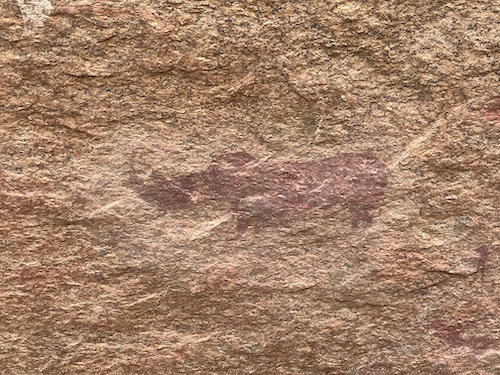
Around 2,000 years ago, the Bantu-Speaking people from the North arrived from Central Africa. They were the ancestors of the modern Ovambo, Herero and Himba people.
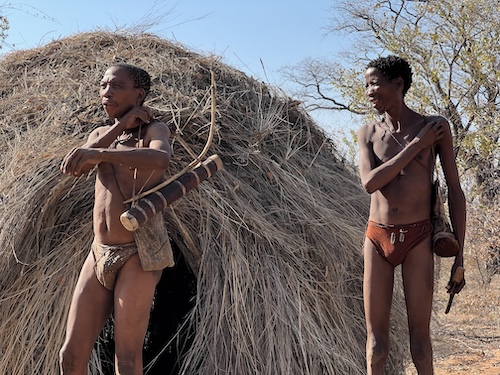
The Ovambo people lived in Northern Namibia and Southern Angola, a region known as Ovamboland. The Herero lived in central Namibia. A branch of the Khoikhoi, the Nama, lived in Southern Namibia and South Africa, in Namaqualand. The Damara people lived in Damaraland (Southwest of Etosha NP). The Damara are considered ethnically related to other Bantu-speaking tribes but they speak a Khoisan language.
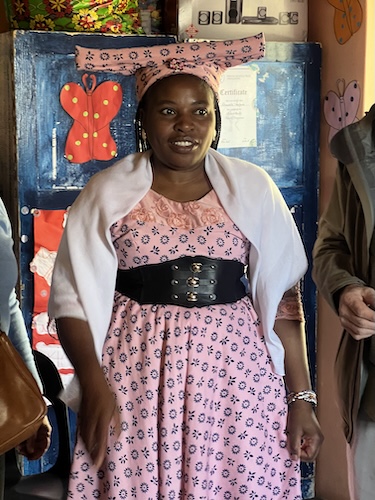
In the 17th century the Herero moved into the Koakoveld and became known as the Himba. Some moved into Damaraland, displacing the Damara.
The Oorlams were people of mixed ancestry from Khoikhoi people, Europeans and enslaved Africans and Asians. They were from Cape Colony (Western South Africa) and spoke Afrikaans. In the early 19th century Boer farmers’ encroachment pushed the Oorlam people across the Orange River into Namaqualand, leading to conflict with the Nama people. The Oorlams had white people weapons so they subjugated the Nama people. They kept expanding north and eventually started to conflict with the Herero.
The Basters (from bastard) were descendants of white Boers men and black natives women, also from Cape Colony. In the 1860s they were also forced to cross the Orange River and settled in Rehoboth (just south of Windhoek).
Both the Oorlams and Basters are of mixed origin, but the latter are more settled and formed stable communities. The Oorlams were more mobile, and practiced raiding and warfare.
Colonial Era
Early European Incursions
Portuguese navigators anchored in Namibia while trying to find a way to India. In 1497, Bartolomeu Dias stopped at today’s Walvis Bay and Luderitz which he had called back then Angra Pequena.
In 1883 Adolf Luderitz bought Angra Pequena from a local chief and renamed it to Luderitz. He also advised Otto von Bismarck to claim the territory, who did so in 1884, establishing the German South West Africa colony.
In 1890 Germany and the UK signed a treaty that gave Germany control of the Caprivi Strip (the narrow strip that lies between Botswana and Zambia) to give them access to the Zambezi River. They also got control of Heligoland and German East Africa. The UK was given control of Zanzibar.
German South West Africa
From the start the Germans had conflict with locals. The Nama people were led by Hendrik Witbooi in resisting German intrusion.
In 1894 Theodor Leutwein was appointed governor. In 1904 rebellions escalated and a more aggressive Lothar von Throtha took over. His policies are believed to have decimated an estimated 50% of the local population. This is known as the Herero and Nama genocide.
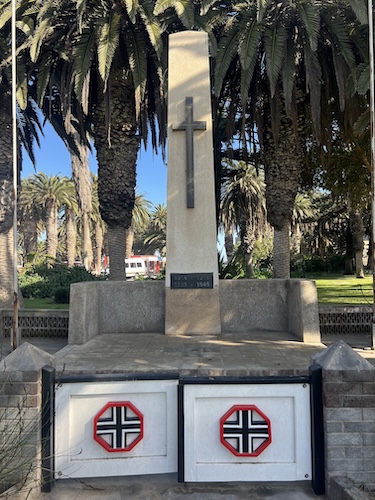
South African Rule
In 1915, during world war I, the British occupied German Southwest Africa. In 1920 South Africa undertook control over Southwest Africa as recommended by the League of Nations.
When the League of Nations dissolved in 1946, the new United Nations asked South Africa to return Southwest Africa to its trusted territories.
South Africa refused and tried to annex it. It wouldn’t be until 1990 that Southwest Africa got its name and was renamed to Namibia.
In 1966 the South West African People’s Organization (SWAPO), started a struggle against South African rule. They operated mostly from bases in Angola.
When Angola became independent from Portugal in 1975, a civil war ensued. The Marxist party MPLA aligned with Cuba and the Soviet Union and supported SWAPO. The UNITA party was backed by the US and South Africa.
The battles between incumbents formed the South African Border Wars, and lasted from 1966 to 1989.
Independence
In 1989 the Tripartite accord was signed between Angola, Cuba and South Africa in which Cuba would leave Angola, South Africa would leave Namibia and Namibia would run democratic elections.
The interest in Namibia by Cold War powers is that it contains a lot of Uranium mines, which were used to supply nuclear weapons.